MULTIMETERS · REVIEWS, COMPARISONS AND GUIDES
Multimeters: Reviews, Comparisons and Buying Guides
The right multimeter is the one rated for where you measure and able to read what you measure: a CAT III or CAT IV safety rating for household panels, True RMS for modern AC loads, and the current and temperature ranges your work needs. Everything below is checked against the maker's own specifications.
Start with our ranked list of the best multimeters, narrow it down by job (electricians, HVAC, automotive, electronics), settle a close call with a head-to-head comparison, or use the troubleshooting guides when a reading doesn't make sense.
OUR TOP PICKS
The multimeters we recommend first
The top of our ranked roundup. A Hands-on Tested badge means we bought and tested that exact unit; every other pick is spec-verified research.
- #1
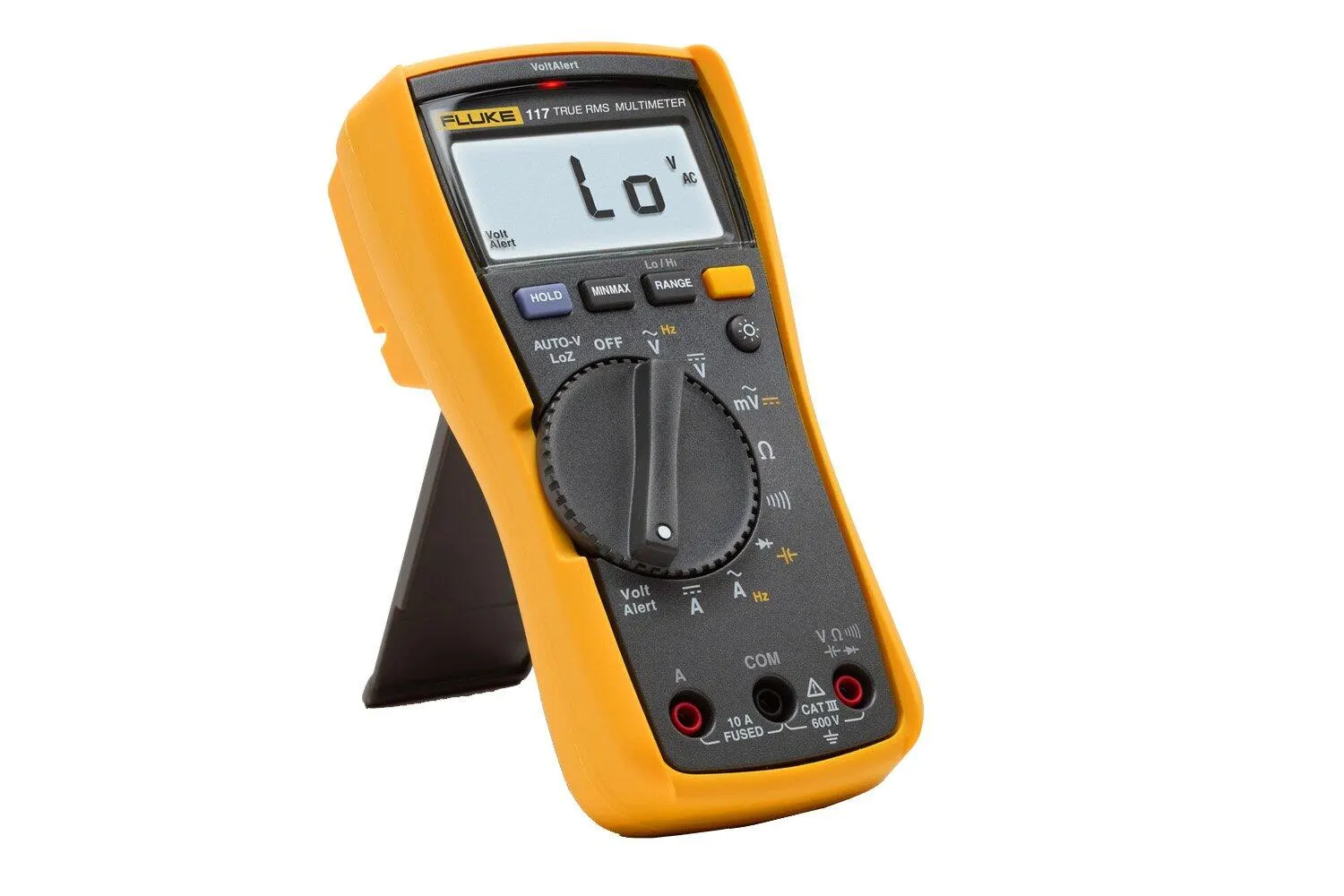 Best OverallHands-on Tested
Fluke 117
4.8★★★★★The meter working electricians actually buy with their own money, not just the one brands push.
Best for: Electricians, serious hobbyists
- #2
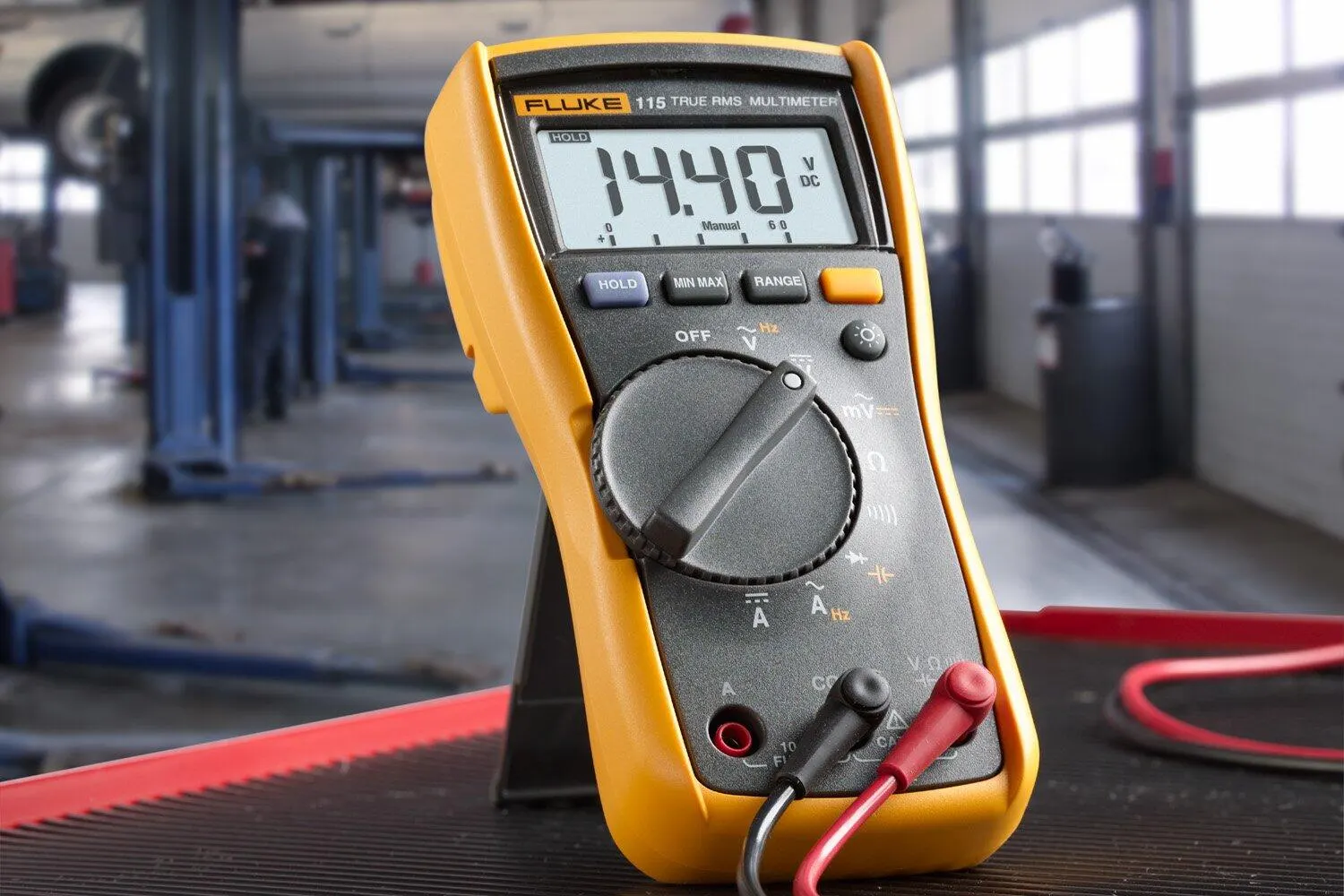 Best for Field ServiceHands-on Tested
Fluke 115
4.8★★★★★The same Fluke reliability as the 117, in the same body, without the electrician-specific extras (NCV, AutoVolt, LoZ).
Best for: Field technicians, general electrical and electronics work
- #3
 Best Budget
KAIWEETS KM200s
4.5★★★★★Covers the fundamentals of the Fluke at under half the price — the sensible first meter.
Best for: Home use, beginners
- #4
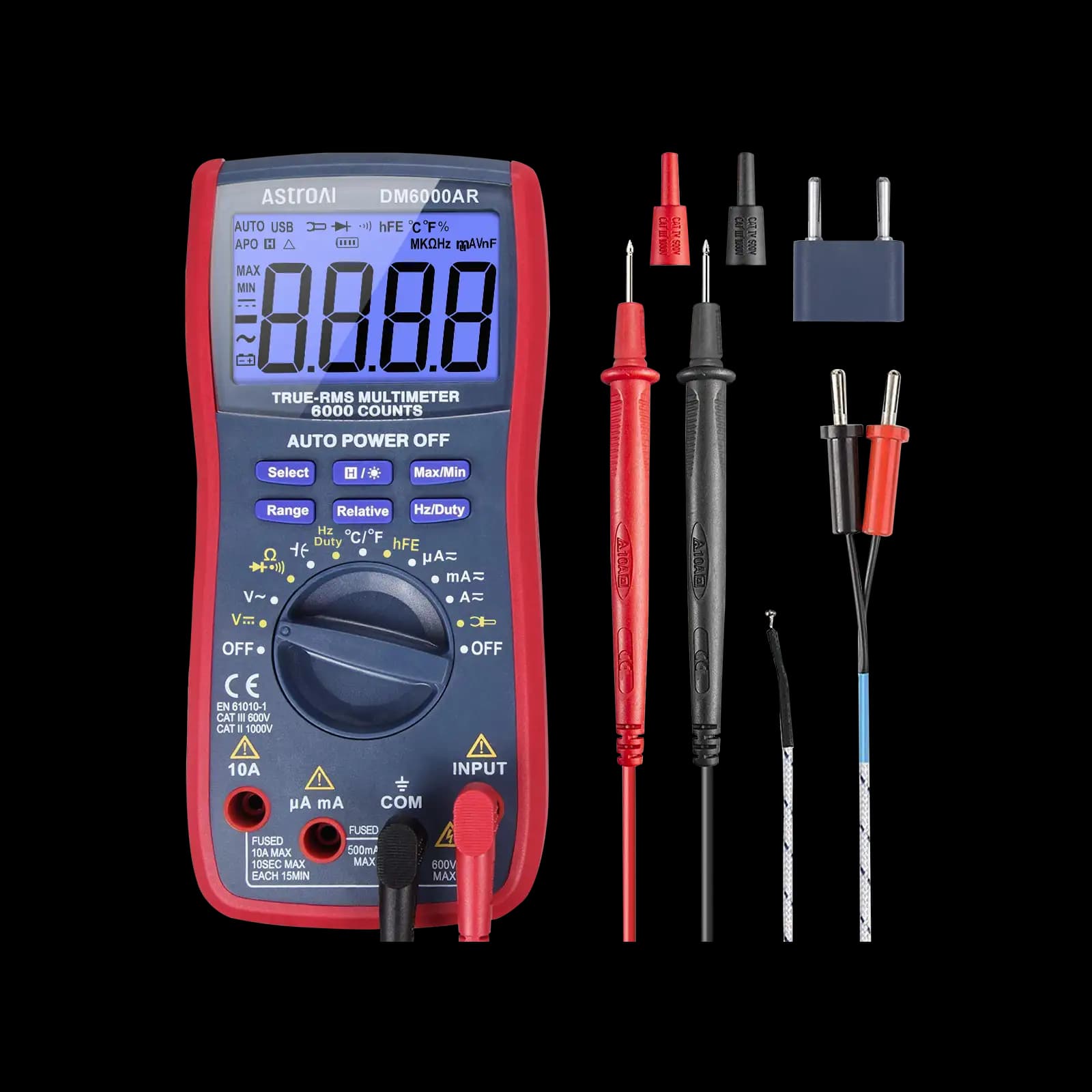 Best for Electronics Hobbyists
AstroAI DM6000AR
4.3★★★★☆The go-to recommendation for Arduino and Raspberry Pi tinkering — cheap enough not to worry about.
Best for: Microcontroller & electronics projects
- #5
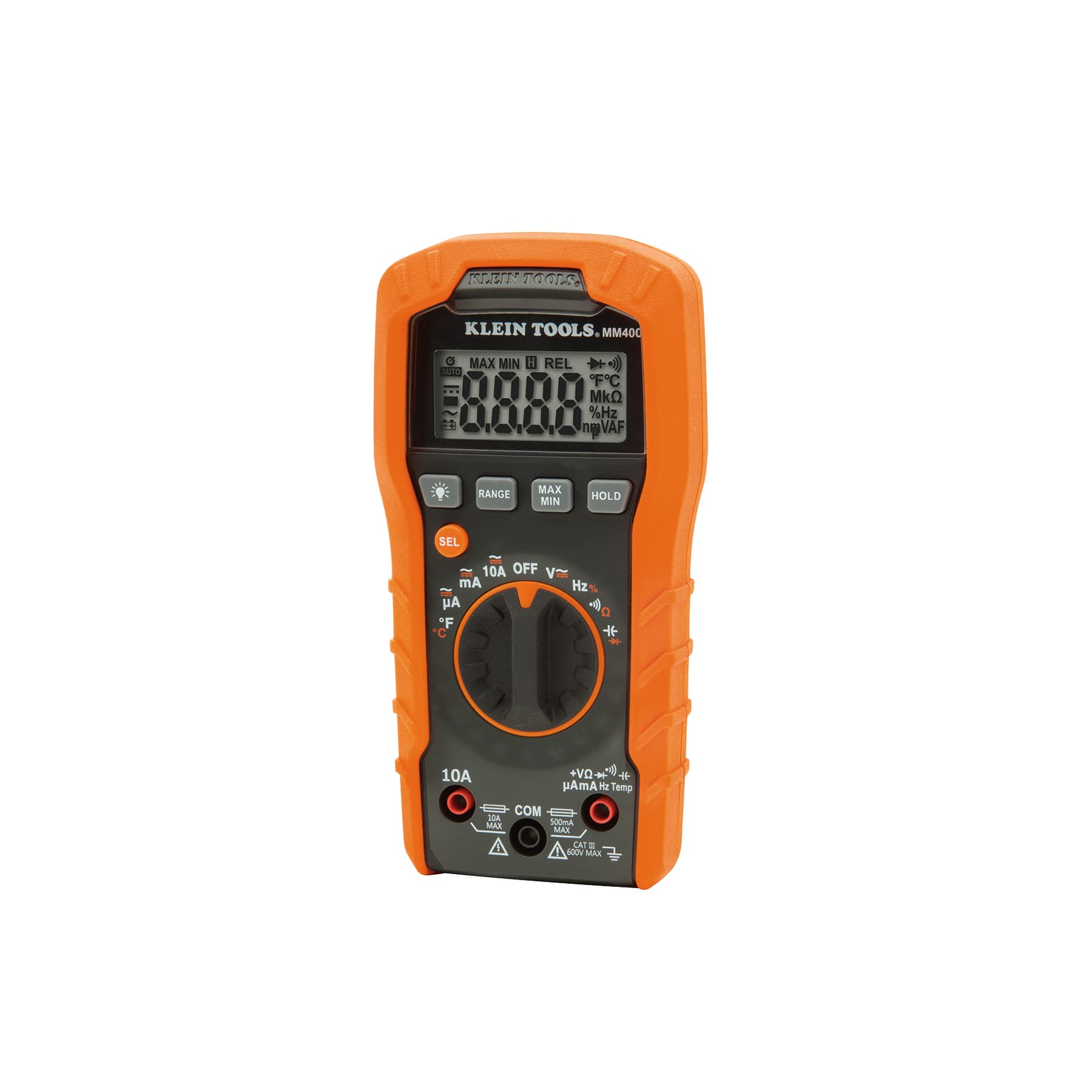 Best for Electrical Panels
Klein Tools MM400
4.4★★★★☆A solid auto-ranging CAT III meter with temperature and capacitance, but not True RMS, and Klein has now discontinued it.
Best for: Tradespeople, home electrical work
- #6
 Best for ProfessionalsHands-on Tested
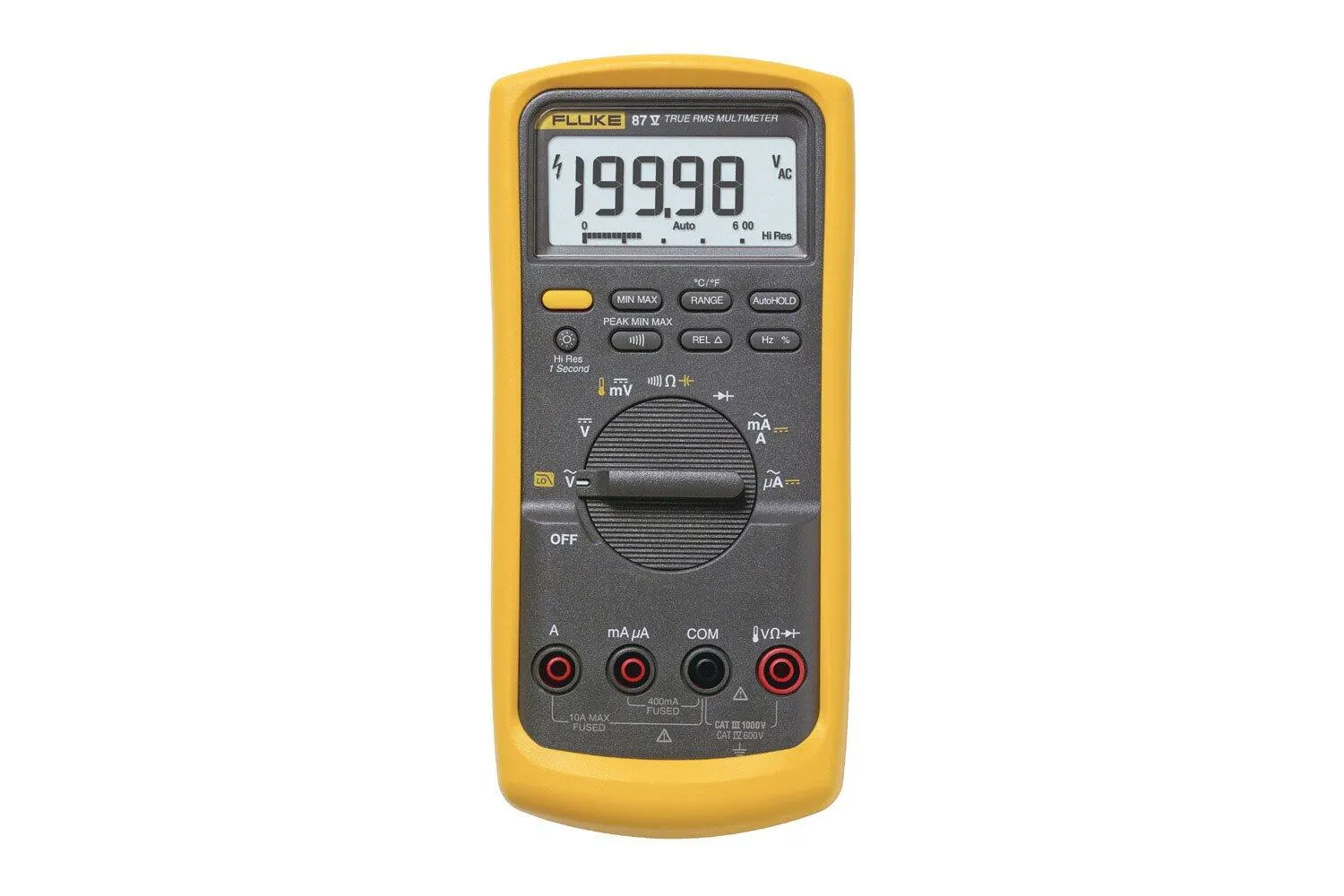
Fluke 87V
4.8★★★★★The step-up pick for anyone who needs CAT IV protection and high-resolution readings daily.
Best for: Industrial technicians, daily professional use
BEST FOR YOUR JOB
Best multimeters by job and budget
Start from what you'll actually use it for. Each list ranks verified picks for that one job.


HOW TO CHOOSE
What matters when you buy a multimeter
The specs that decide whether a tool suits your work, in the order we weigh them.
- 01
Safety rating that matches the job
IEC 61010 measurement categories tell you where a meter is safe to use: CAT II for plug-in appliances, CAT III for panels, fixed wiring and hardwired equipment, CAT IV at the service entrance and meter. The voltage beside the category matters too, so CAT III 600 V or better is the sensible floor for household mains work.
- 02
True RMS for modern AC loads
An average-responding meter is only accurate on clean sine waves. Variable-speed drives, LED drivers, dimmers and switching supplies distort the waveform, and a non-True RMS meter can read them noticeably wrong. If you work on anything beyond batteries and simple circuits, buy True RMS.
- 03
The ranges you'll actually use
Check the functions against your work: microamp ranges for flame sensors and sleep current, a 10 A current input for automotive and appliance loads, capacitance and temperature for HVAC, LoZ mode to rule out ghost voltage, and frequency or duty cycle for electronics and controls.
- 04
Resolution and accuracy
Display count sets resolution: a 6,000-count meter shows 5.999 V where a 2,000-count meter shows 5.99 V. Basic DC accuracy, quoted as ±(% of reading + digits), tells you how close that number is to the truth. Most field work is fine at 0.5%; calibration and precision electronics need 0.1% or better.
- 05
Build, fusing and everyday usability
Look for high-energy current fuses rated for the meter's category, a sturdy case and holster, auto-ranging, a backlight for dark panels, and good leads. Meters from makers that publish full specifications and independent safety certification are easier to trust when it matters.
- 06
Multimeter, clamp meter or both
A multimeter measures current by breaking the circuit; a clamp meter reads it around a conductor without disconnecting anything. Electricians and HVAC techs often carry both, while electronics and automotive work rarely needs a clamp.
IN-DEPTH REVIEWS
Multimeter reviews
One product per page: verified specs, strengths, limits and who should buy it.
Fluke 117 Review
A closer look at our Best Overall pick
Read the review →Fluke 115 Review
Our Best for Field Service pick
Read the review →Fluke 87V Review
Fluke's industrial-grade CAT IV pick
Read the review →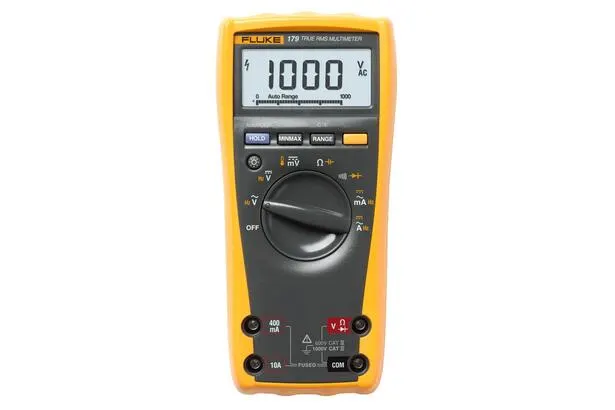
Fluke 179 Review
CAT IV 600V, temperature and 0.01 mA, but no µA
Read the review →
Fluke 289 Review
Milliohms, microamps and on-meter logging in CAT IV
Read the review →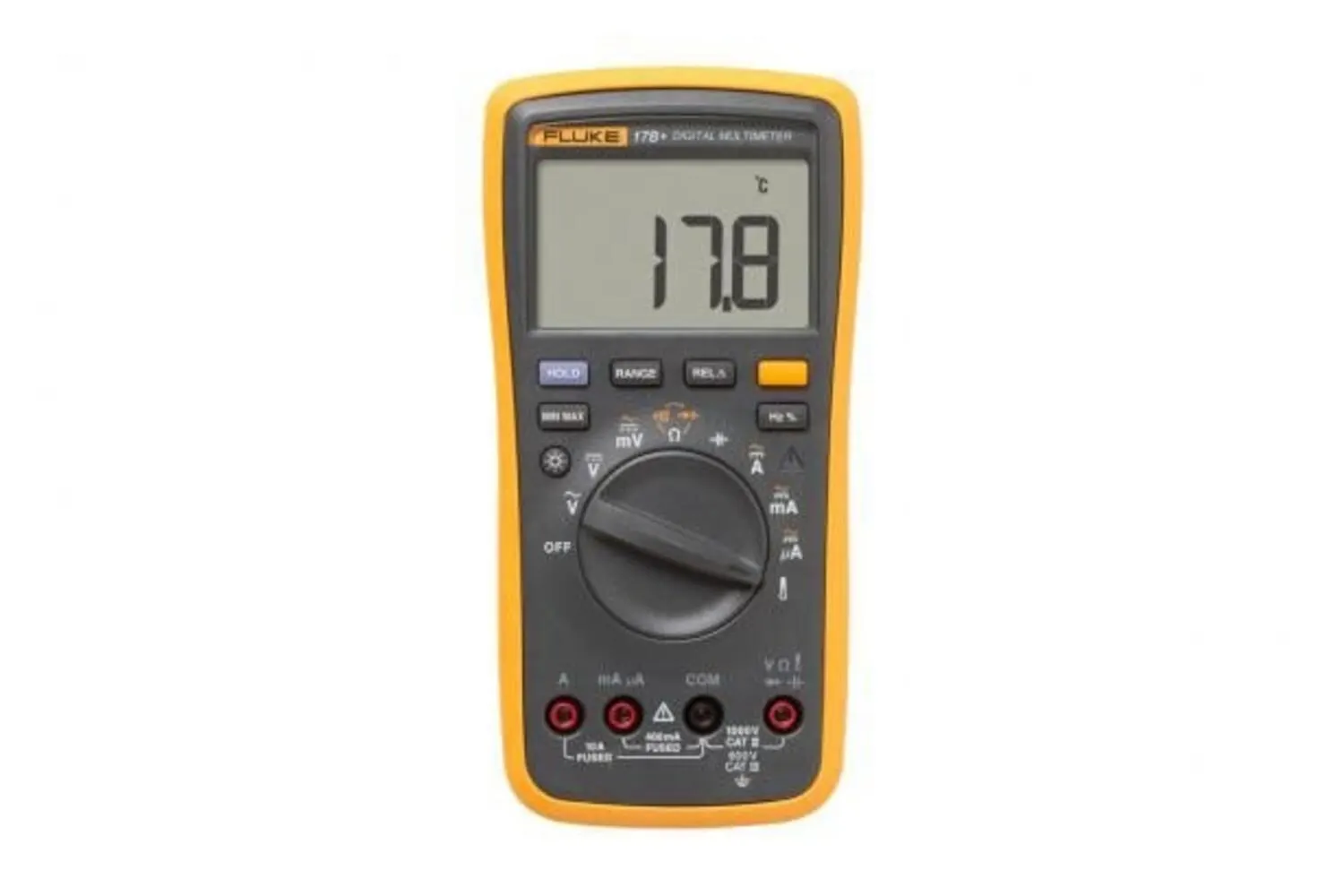
Fluke 17B+ Review
Temperature, Hz and µA in a CAT III Fluke; not True RMS
Read the review →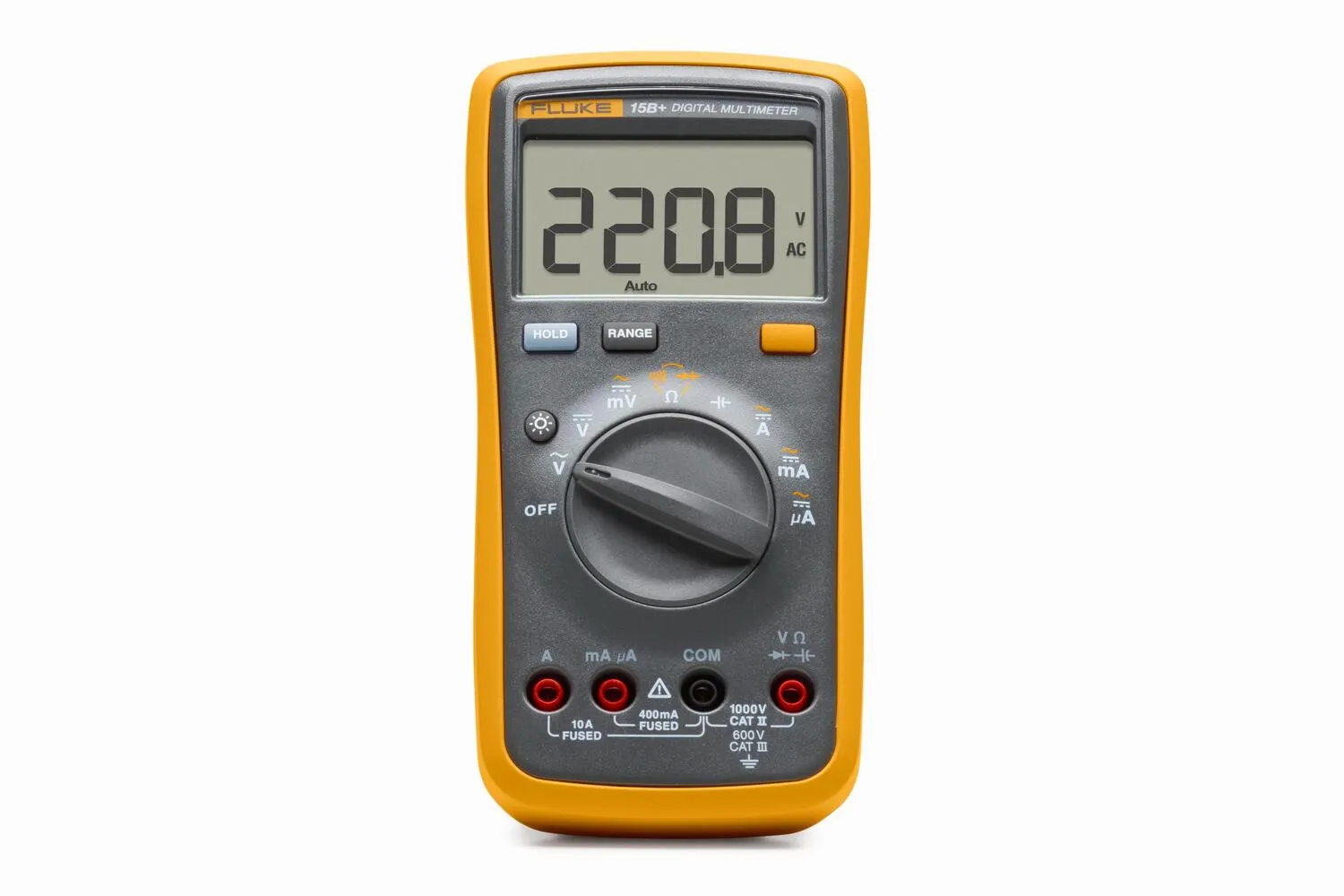
Fluke 15B+ Review
No-frills CAT III Fluke with µA-to-10 A current ranges
Read the review →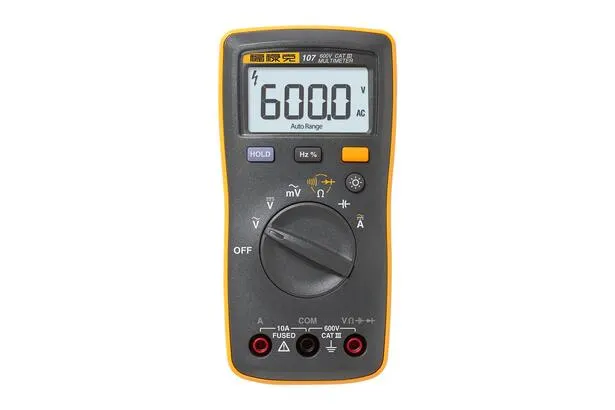
Fluke 107 Review
Pocket Fluke with diode, Hz and duty; not True RMS
Read the review →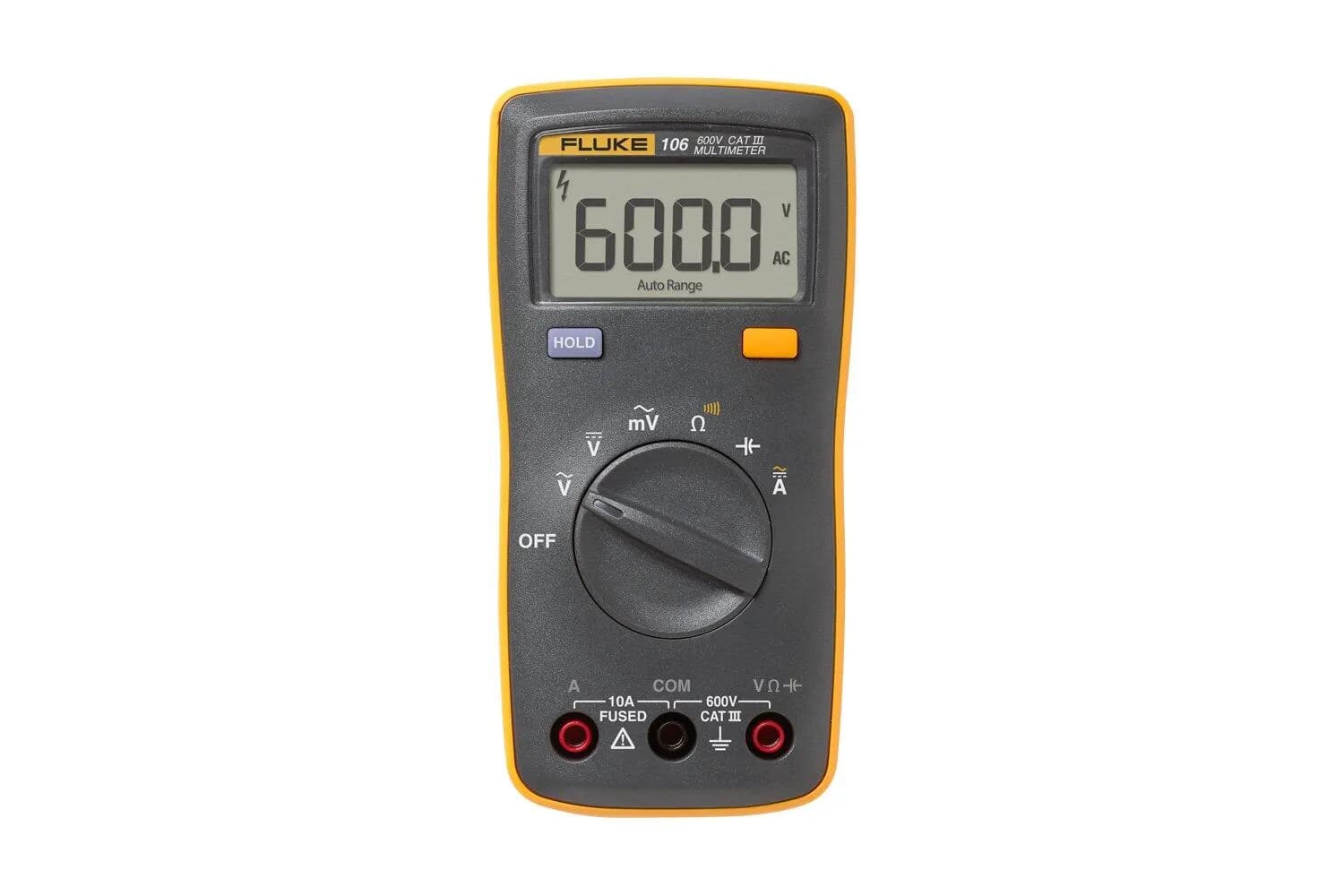
Fluke 106 Review
Basic pocket Fluke: volts, ohms, 10A; no diode or Hz
Read the review →
Fluke 1587 FC Review
Insulation tests to 2 GΩ with PI/DAR, but only 400 mA
Read the review →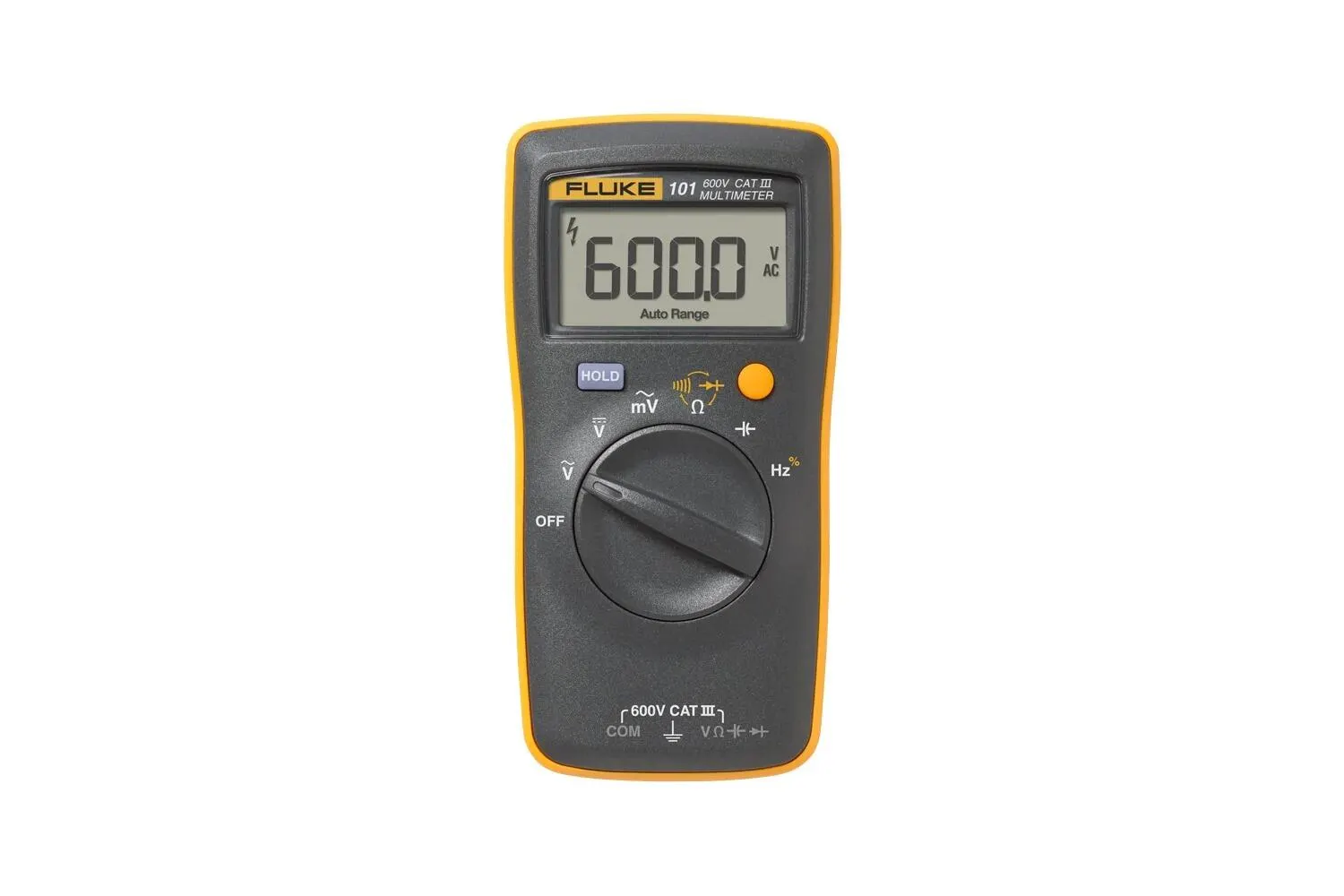
Fluke 101 Review
160 g pocket Fluke with Hz and duty cycle, no current
Read the review →KAIWEETS KM200s Review
Our Best Budget multimeter pick
Read the review →Klein Tools MM400 Review
Our pick for electrical panels
Read the review →Milwaukee 2235-20 Review
Our Best Clamp Meter pick
Read the review →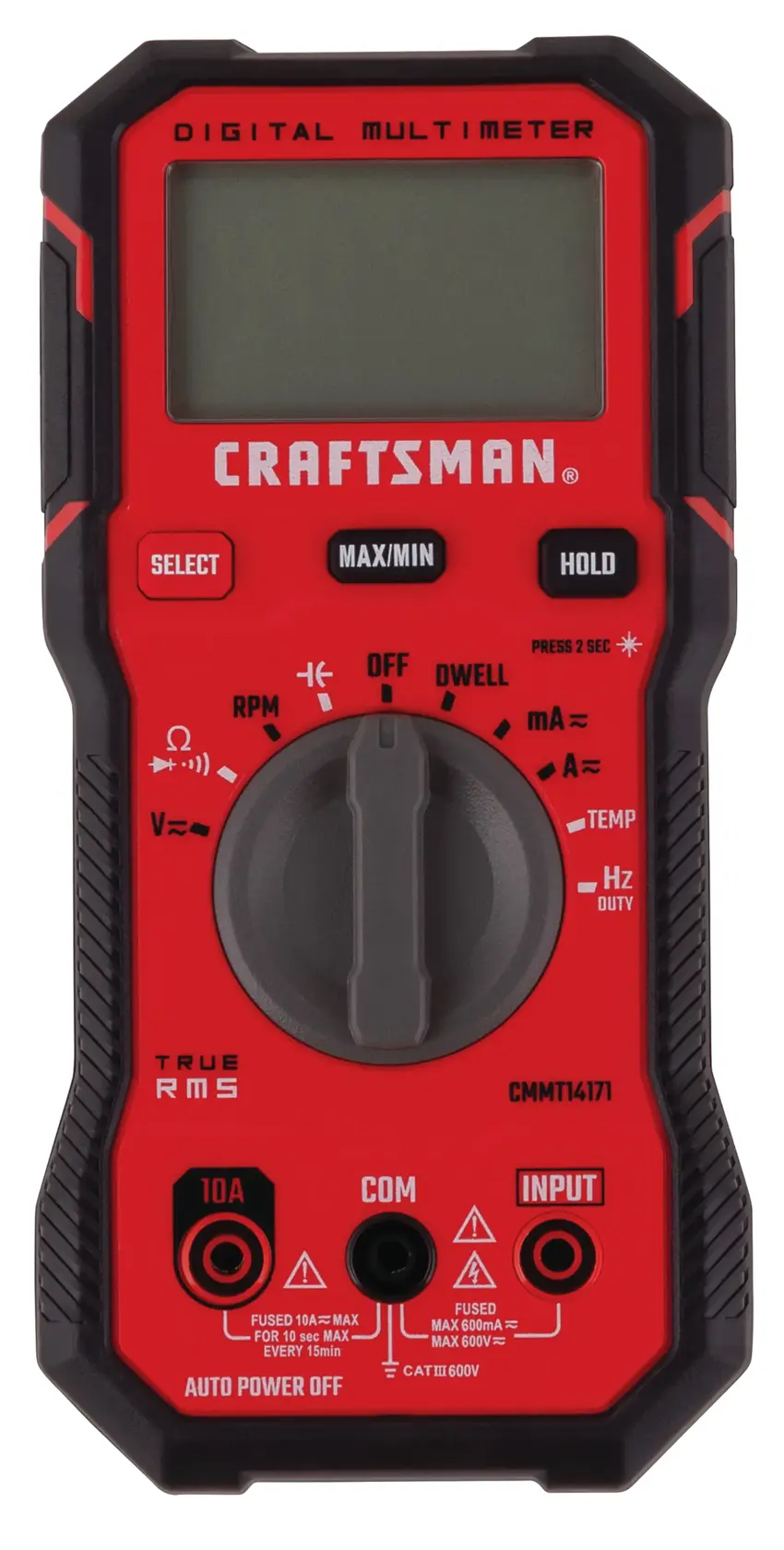
Craftsman CMMT14171 Review
Our Best for Automotive pick
Read the review →Extech EX330 Review
Our Best Compact multimeter pick
Read the review →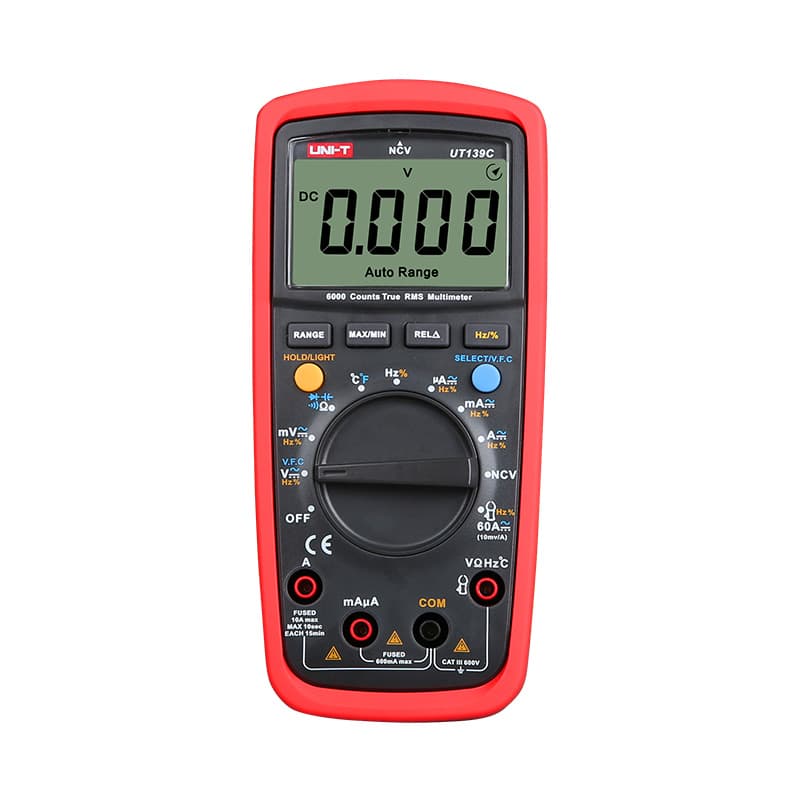
UNI-T UT139C Review
Our Best Value Auto-Ranging pick
Read the review →AstroAI DM6000AR Review
Our pick for electronics hobbyists
Read the review →
Southwire 14070T Review
Our Best Waterproof multimeter pick
Read the review →HEAD TO HEAD
Multimeter comparisons
Two close rivals, spec by spec, with a clear answer on which one to buy for your work.
Fluke 115 vs Fluke 117
Field-service generalist vs. electrician-specific meter
See the comparison →Fluke 117 vs Fluke 87V
Which Fluke tier actually fits your work
See the comparison →Fluke 115 vs Fluke 87V
CAT III 600V field meter vs CAT IV industrial
See the comparison →Fluke 87V vs Fluke 289
Logging, LoZ and 50,000 counts vs field troubleshooting
See the comparison →
Fluke 106 vs Fluke 114
Pocket meter with amps vs True RMS AutoVolt LoZ tester
See the comparison →
Fluke 107 vs Fluke 113
Everyday tests: pocket all-rounder vs VCHEK utility meter
See the comparison →- Fluke 116 vs Fluke 179 for HVAC
- Fluke 114 vs Fluke 175
- Fluke 113 vs Fluke 179
- Fluke 77 IV vs Fluke 115
- Fluke 27 II vs Fluke 179
- Fluke 1587 FC vs Fluke 289
- Fluke 1587 FC vs Fluke 287
- Fluke 283 FC vs Fluke 1587 FC
- Fluke 789 vs Fluke 1587 FC
- Fluke 15B+ vs Fluke 115
- Fluke 77 IV vs Fluke 87V
- Fluke 1587 FC vs Fluke 87V MAX
- Fluke 1577 vs Fluke 87V
- Fluke 113 vs Fluke 117
- Fluke 114 vs Fluke 116
- Fluke 175 vs Fluke 179
- Fluke 287 vs Fluke 179
- Fluke 287 vs Fluke 117
- Fluke 289 vs Fluke 179
- Fluke 289 vs Fluke 115
- Fluke 88V vs Fluke 179
- Fluke 115 vs Fluke 101
- Fluke 117 vs Fluke 323
- Fluke 117 vs Fluke 117/323 Kit
- Fluke 15B+ vs Fluke 117/323 Kit
- Fluke 117 vs Fluke 179
- Fluke 17B+ vs Fluke 179
- Fluke 117 vs Klein Tools MM400
- KAIWEETS KM200s vs UNI-T UT139C
- Fluke 117 vs Milwaukee 2235-20
LEARN AND TROUBLESHOOT
Multimeter guides and troubleshooting
Step-by-step measurements, fixes for the faults people actually hit, and the specs explained in plain English.
How to measure and test
- How to Test a Capacitor With a Multimeter
- How to Use an Analog Multimeter
- How to Test Electrical Wires With a Multimeter
- How to Find a Short Circuit in a Car With a Multimeter
- How to Test a Solar Panel With a Multimeter
- How to Test a Car Ground Wire With a Multimeter
- How to Test a Motorcycle Stator With a Multimeter
- How to Test a 12V Battery Under Load
- How to Find an Intermittent Electrical Fault With a Multimeter
- How to Test an Alternator With a Multimeter
- How to Find a Broken Wire With a Multimeter
- How to Test a DC Power Supply With a Multimeter
Troubleshooting
- Why Does My Car Starter Click but the Engine Won't Start?
- Why Does an Extension Cord Overheat?
- Why Does My Car Keep Blowing Fuses?
- Battery Reads 12V but Won't Start: What to Test
- Why Do LED Lights Flicker?
- Why Does a Circuit Breaker Keep Tripping?
- Why Do Car Headlights Keep Burning Out?
- Car Radio Has No Sound: Electrical Tests to Try
- Diagnosing a Power Window That Won't Move
- Why Does My Trailer Keep Blowing Fuses?
- Why Isn't My Laptop Charger Charging?
- Why Does My LED Power Supply Shut Off?
FAQ
Multimeters FAQ
Quick answers to the questions buyers ask most. Each links on to the full guide.
01What is the best multimeter for a beginner?
An auto-ranging True RMS meter with a CAT III 600 V rating, a continuity beeper and a backlight covers almost everything a beginner meets, from batteries to outlets. Avoid meters without a published safety rating for any mains work. Our best multimeter for beginners guide ranks verified picks, and the How to Use a Multimeter guide walks through a first session.
02Do I really need a True RMS multimeter?
For batteries, car electrics and simple DC circuits, no. For AC that isn't a clean sine wave, yes: variable-speed motors, LED lighting, dimmers and switching power supplies can make an average-responding meter read well off. True RMS is now common even on mid-priced meters, so it's rarely worth skipping if you work on mains equipment.
03What CAT rating do I need for household wiring?
CAT III is the rating for building wiring: breaker panels, fixed outlets, hardwired appliances and lighting circuits. CAT II covers only equipment that plugs into an outlet. CAT IV is for the service entrance and utility side. Pick a meter rated CAT III 600 V or higher, and make sure the test leads carry at least the same rating.
04What does the count on a multimeter mean?
The count is the highest number the display can show before switching range. A 6,000-count meter reads up to 5.999 on its 6 V range, while a 2,000-count meter tops out at 1.999 and must jump to a coarser range sooner. Higher counts give finer resolution, but accuracy still depends on the meter's stated specification.
05How can I tell if my multimeter is reading accurately?
Measure a known reference, such as a precision voltage reference or a fresh battery checked on a trusted meter, and compare the result against your meter's stated accuracy. Also check the test leads: a lead resistance well above a fraction of an ohm, or readings that jump when you flex the leads, point to worn leads rather than the meter.
06Should I buy a multimeter or a clamp meter?
Buy a multimeter first if you work on electronics, cars or small appliances: it measures voltage, resistance and small currents precisely. Choose a clamp meter, or add one, if you regularly measure motor, HVAC or circuit currents of several amps, because it reads current without breaking the circuit. Our clamp meter buying guide explains the trade-offs.