SOLDERING IRONS · REVIEWS, COMPARISONS AND GUIDES
Soldering Irons: Reviews, Comparisons and Buying Guides
A good soldering iron holds its set temperature when the tip touches a joint, heats up quickly and takes tips you can still buy years from now. Those three things matter more than peak wattage, and they separate a station that makes soldering easy from one that fights you on every joint.
Start with our ranked list of the best soldering irons, pick by job (electronics, beginners, portable work), compare two stations head to head, or use the troubleshooting guides when solder won't flow or a tip stops wetting.
OUR TOP PICKS
The soldering irons we recommend first
The top of our ranked roundup. A Hands-on Tested badge means we bought and tested that exact unit; every other pick is spec-verified research.
- #1
 Best Overall
Hakko FX-888DX
4.7★★★★★The FX-888D's replacement: the same T18 tips and handpiece, with a 100W station, a proper dial and five presets.
Best for: Serious hobbyists, repair benches
- #2
 Best Portable
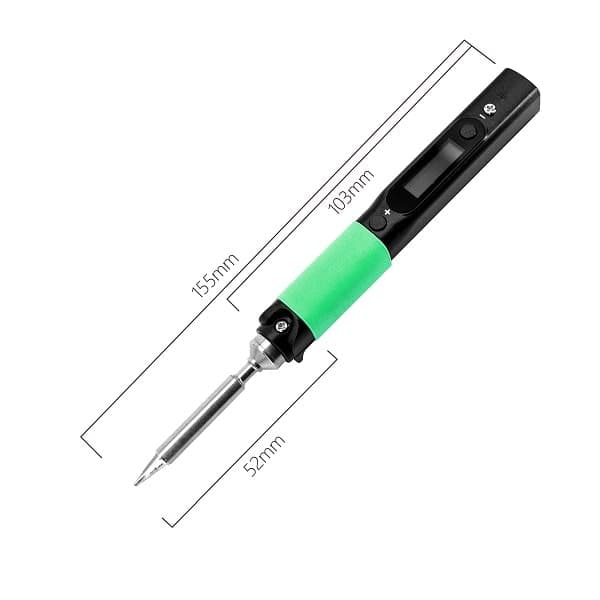
Pinecil V2
4.7★★★★★USB-C powered and pocket-sized — the rare budget tool that doesn't feel like a compromise.
Best for: Portability, field repairs
- #3
 Best Budget
Q-MING 60W Kit
4.3★★★★☆A genuinely complete starter kit — easy first purchase for anyone new to soldering.
Best for: Beginners, occasional use
- #4
 Best for Professional Benches
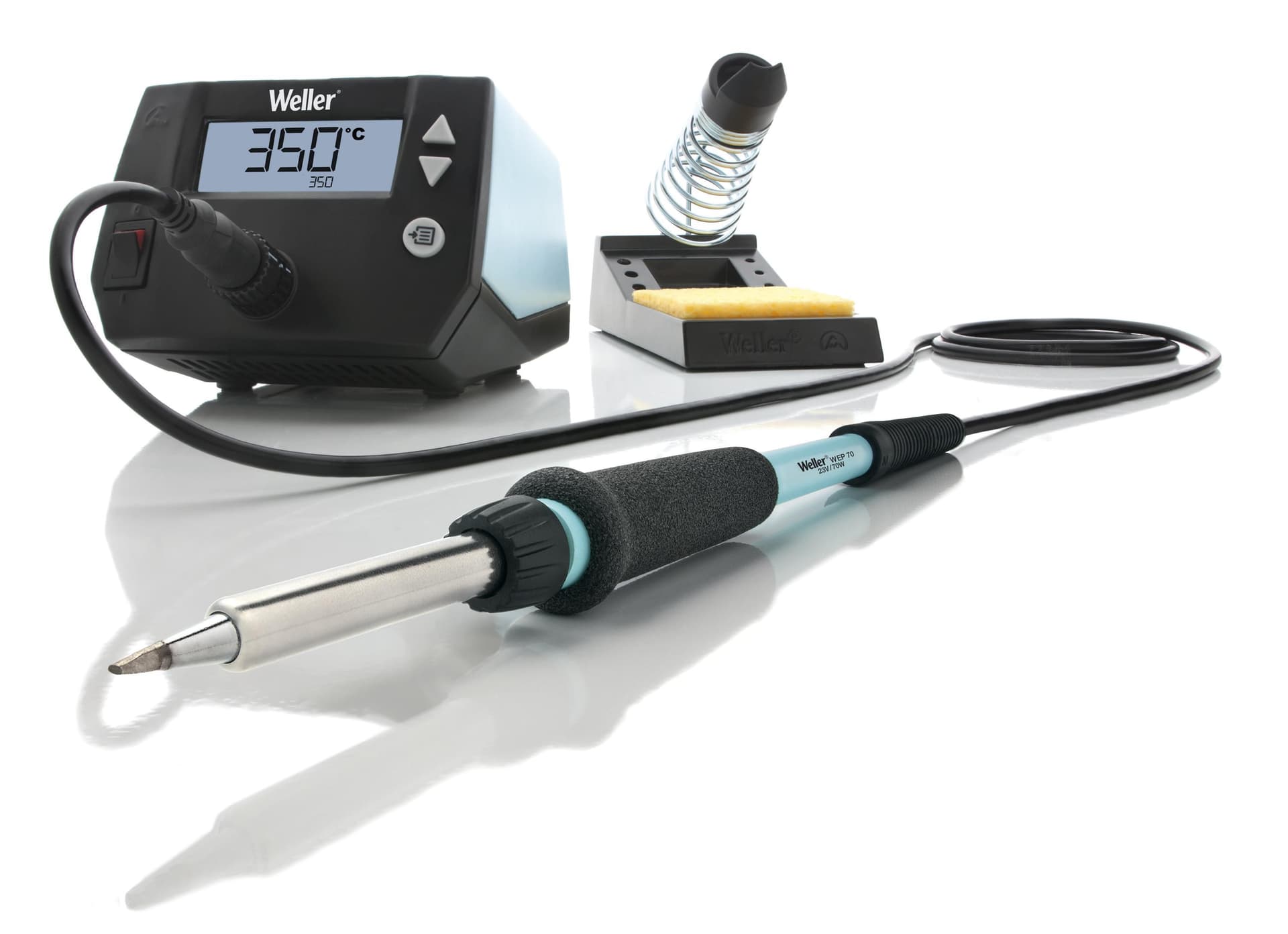
Weller WE1010NA
4.6★★★★★ESD-safe construction and tight temperature stability for a dedicated electronics bench.
Best for: Dedicated workbenches, professional use
- #5
 Best 2-in-1 with Hot Air Rework
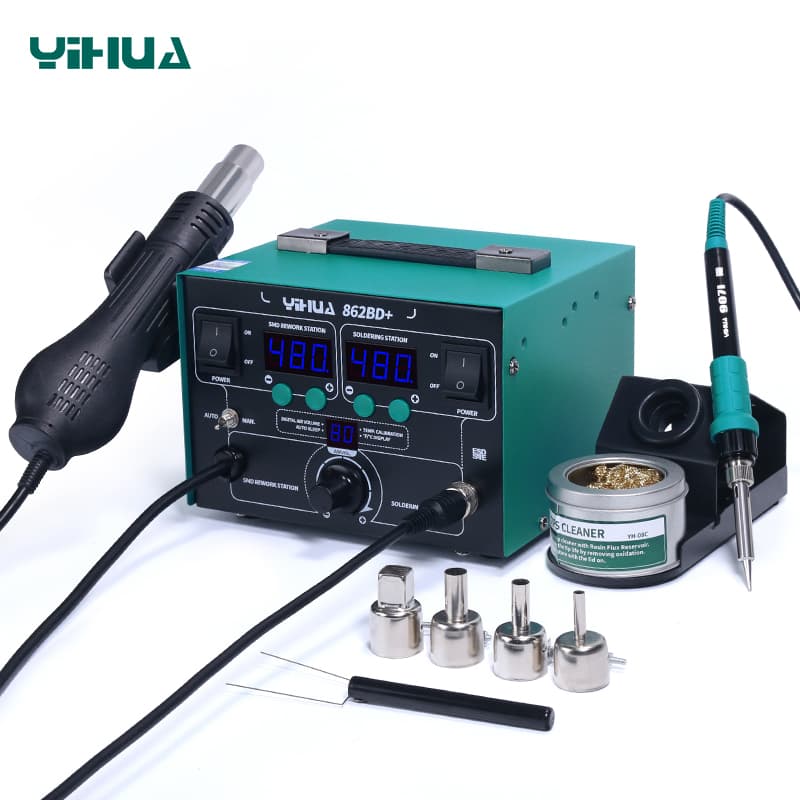
YIHUA 862BD+
4.3★★★★☆A soldering iron and a hot air rework station in one box, for SMD and BGA work a plain iron can't touch.
Best for: SMD/BGA rework alongside general soldering
- #6
 Best Stationless Iron
Hakko FX-601
4.4★★★★☆A temperature-controlled Hakko iron with the dial on the handle and no station to find room for.
Best for: Heavy wire, terminals, stained glass
BEST FOR YOUR JOB
Best soldering irons by job and budget
Start from what you'll actually use it for. Each list ranks verified picks for that one job.



HOW TO CHOOSE
What matters when you buy a soldering iron
The specs that decide whether a tool suits your work, in the order we weigh them.
- 01
Temperature control and recovery
Closed-loop temperature control measures the tip and adds heat as the joint draws it away. Recovery, how quickly the tip returns to temperature on a big joint, matters more than the number on the box, and it's why a well-designed station can outperform a cheap iron with a higher wattage label.
- 02
Power for the joints you solder
Small through-hole and SMD work needs little power; ground planes, thick wire and connectors draw heat away fast. More available power, delivered through a tip with good thermal coupling, lets you solder big joints at a normal temperature instead of turning the iron up and cooking parts.
- 03
Tips you can buy and replace
Tips wear out, so the tip ecosystem matters as much as the iron. Check that the iron uses a standard, widely sold tip series in the shapes you need: a chisel for general work, a fine conical for SMD, and a larger bevel or chisel for heavy joints.
- 04
Station, pen or portable
Bench stations give the steadiest temperature and a proper stand. Pen-style USB-C irons are compact and fast to heat but depend on the power supply behind them. Cordless and butane irons suit field repairs where there is no outlet nearby.
- 05
Safety and ESD features
A heavy stand that holds the iron securely, auto-sleep after inactivity and a grounded, ESD-safe tip all matter on a real bench. ESD-safe designs protect sensitive chips, and sleep modes also extend tip life.
- 06
Consumables that make it work
The iron is only part of the job: flux, the right solder alloy and diameter, brass wool for cleaning and tip tinner for recovery make a bigger difference to joint quality than most people expect.
IN-DEPTH REVIEWS
Soldering Iron reviews
One product per page: verified specs, strengths, limits and who should buy it.
Pinecil V2 Review
Our Best Portable soldering iron pick
Read the review →Q-MING 60W Kit Review
Our Best Budget soldering pick
Read the review →Weller WE1010NA Review
Our pick for professional benches
Read the review →YIHUA 862BD+ Review
Our Best 2-in-1 with Hot Air Rework pick
Read the review →
Hakko FX888D Review
A closer look at our Best Overall pick
Read the review →HEAD TO HEAD
Soldering Iron comparisons
Two close rivals, spec by spec, with a clear answer on which one to buy for your work.
Weller WE1010NA vs YIHUA 862BD+
A dedicated ESD-safe iron vs. a 2-in-1 rework station
See the comparison →Pinecil V2 vs Q-MING 60W Kit
Portable iron vs. budget starter kit
See the comparison →
Pinecil V2 vs Miniware TS101
Two USB-C smart irons: power, kit, tips
See the comparison →Weller WE1010NA vs Hakko FX-888DX
Standby and lock vs presets and 100W
See the comparison →Hakko vs Weller
Fast heat-up vs. ESD-safe construction
See the comparison →LEARN AND TROUBLESHOOT
Soldering Iron guides and troubleshooting
Step-by-step measurements, fixes for the faults people actually hit, and the specs explained in plain English.
How to measure and test
- How to Solder Wires Together
- How to Remove Solder from a Circuit Board
- How to Test a Soldering Iron
- How to Store a Soldering Iron Safely
- How to Solder Wires Without Overheating Insulation
- How to Choose Solder Wire Diameter
- How to Solder Fine-Pitch SMD Components
- How to Prevent Solder Bridges
- How to Solder a JST Connector Without Damaging the Plastic Housing
- How to Solder Wires to a Toggle Switch Terminal
- How to Repair a PCB Trace Using Solder and Jumper Wire
- How to Solder a Replacement DC Power Jack on a Circuit Board
Troubleshooting
- Why Won't My Soldering Iron Melt Solder?
- Why Does My Soldering Iron Temperature Keep Dropping?
- Why Does My Soldering Iron Take Too Long to Heat Up?
- Why Does My Soldering Iron Damage Components Even at a Low Temperature?
- Why Does My Soldering Iron Work on Small Wires but Fail on Thick Wires?
- Why Does Solder Stick to the Tip?
- Why Won't Solder Stick to the Soldering Iron Tip?
- Why Does a Soldering Iron Tip Turn Black?
- Why Won't Solder Stick to Copper Wire?
- Why Does My Soldering Iron Keep Switching Off?
- Why Does Solder Bead Up Instead of Flowing?
- Why Does Solder Wick Away From the Tip?
FAQ
Soldering Irons FAQ
Quick answers to the questions buyers ask most. Each links on to the full guide.
01What wattage soldering iron do I need for electronics?
For hobby electronics, a temperature-controlled iron in the 40 to 70 watt range handles through-hole parts, SMD work and most wire joints comfortably. Wattage alone doesn't decide performance: a well-regulated iron with good tip contact recovers faster than a cheap, unregulated iron with a higher rating. Heavy connectors and ground planes benefit from more power.
02What temperature should I solder electronics at?
A common starting point is roughly 320 to 350 °C for tin-lead solder and 350 to 380 °C for lead-free alloys, which melt at higher temperatures. Use the lowest setting that makes the joint flow within about two to three seconds; if it takes longer, use a larger tip or more power rather than simply turning the temperature up.
03Is a soldering station better than a soldering pen?
A station usually holds temperature more steadily, offers a proper stand and accepts a wide range of tips, which suits a home bench. A USB-C pen heats very quickly and travels well, but its performance depends on the power supply you plug it into. Many people use a station at the bench and a pen for repairs away from it.
04Should I use leaded or lead-free solder?
Tin-lead solder melts at a lower temperature and flows easily, which makes it forgiving for beginners and repair work. Lead-free solder is required in many commercial products and is safer to keep around children. Either works if your iron reaches the right temperature. Wash your hands after handling leaded solder and never eat at the bench.
05Why does my soldering iron tip stop working?
Most tips fail from oxidation: the tip sits hot without a protective coat of solder, turns dark and stops wetting. Running too hot, wiping on a dry sponge and filing the plating speed it up. Keep the tip tinned between joints, use brass wool, and recover a dull tip with tip tinner. Our tip care guide covers it step by step.
06What should I look for in a first soldering iron?
Look for real temperature control, a decent stand and tips you can replace. An unregulated iron that runs too hot burns tips and parts and makes good joints harder. Our best soldering irons for beginners and roundup pages list verified options at different levels, and each review explains who the iron suits.